
Guide · 19 September 2026
How to choose a Model UN conference.
Committee size, chair quality, feedback, supervision, fees, terms and follow-up: the twelve questions to put to any organiser before you pay.
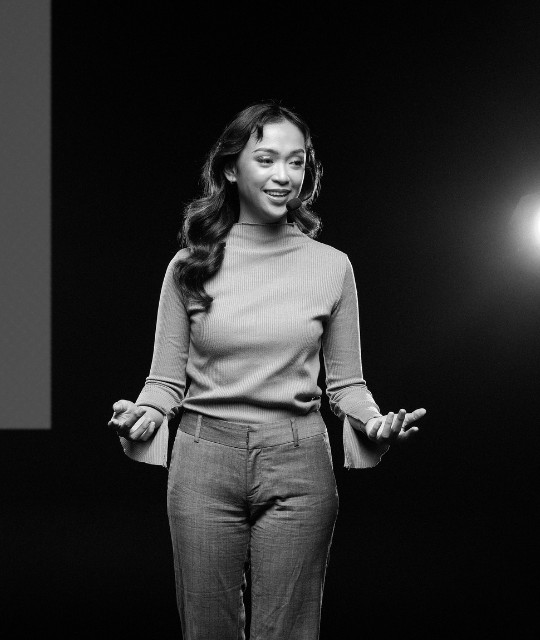
What we believe about the craft, what we learn each April, and what delegates go on to do once the gavel drops.
Committee size, chair quality, feedback, supervision, fees, terms and follow-up: the twelve questions to put to any organiser before you pay.
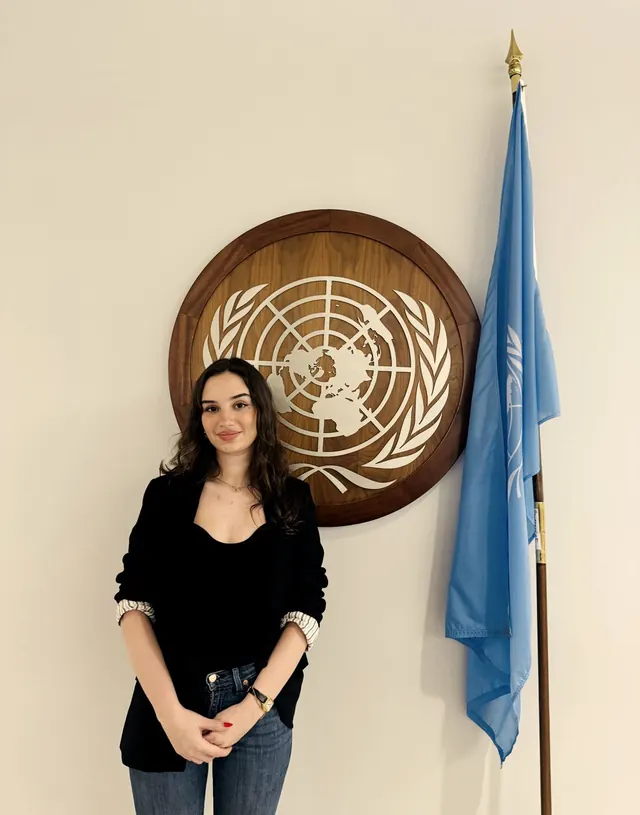
Worth it when you speak, negotiate and are told how you did; not worth it in a silent chamber of two hundred. The conditions, a pros and cons table, and a section for parents.
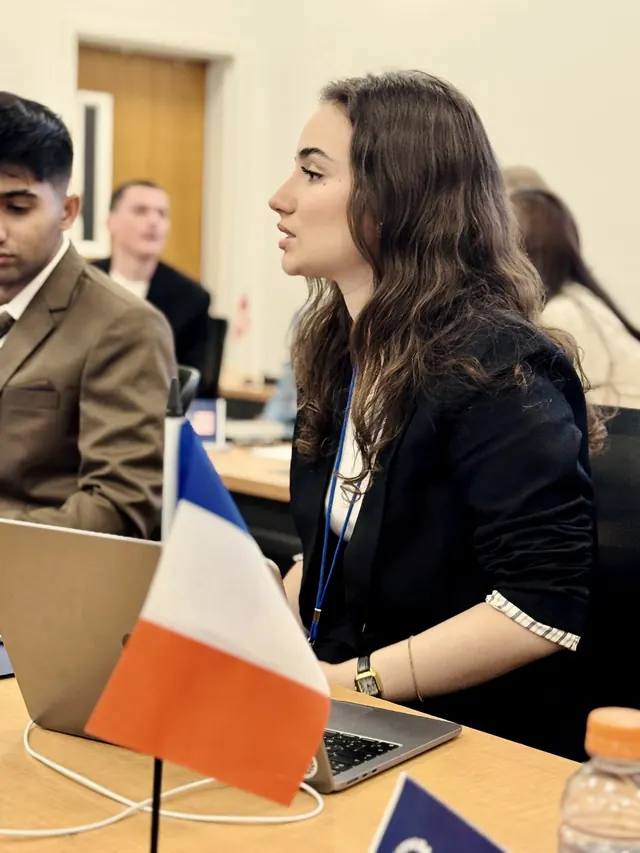
From arrival to the final vote: what happens in each phase of a Model UN conference, what first-timers get wrong, and what to pack.

The nine lines in a Model UN budget, what all-inclusive really means, how to compare fees fairly, the red flags, and The Global 60's tiers as a worked example.

Supervision, screening, curfews, medical care, insurance, fees and what happens afterwards: the fifteen questions a parent should put to any Model UN organiser, with model answers.

What a selective Model UN programme is assessing, twelve typical interview questions with what a strong answer does, a short mock exchange and the mistakes that cost applicants most.

The three dress registers every conference uses, a table of items for all genders, a what-to-avoid list and a packing list for a three-night trip.
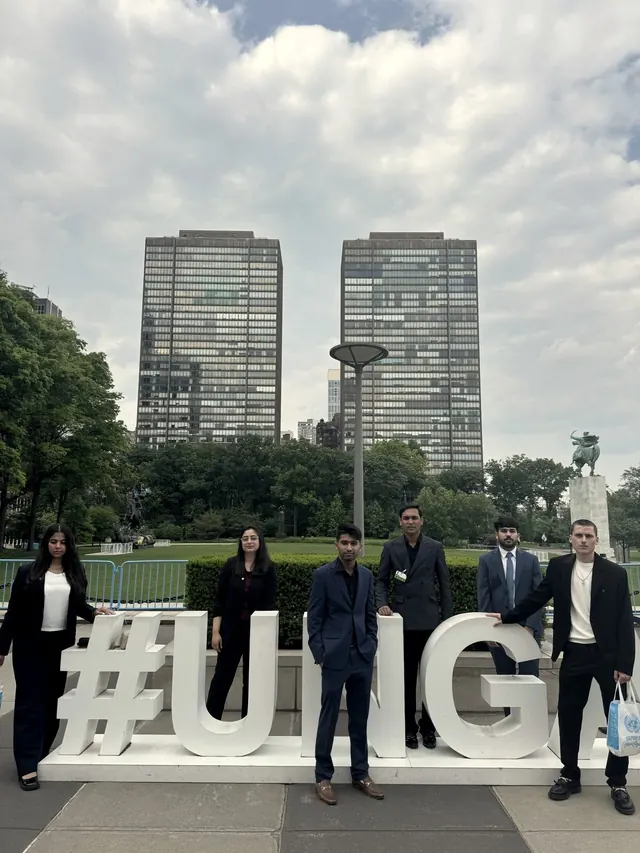
Hook, position, evidence, proposal, call to bloc: a reusable structure for the first speech, three full examples, and a checklist to score yourself.

A week-by-week Model UN preparation plan with daily time budgets, a plan table, a night-before routine and a compressed version for when topics are released late.

The standard award ladder, what chairs score, the myths about loud delegates and P5 countries, and how recognition works across a General Assembly of sixty.
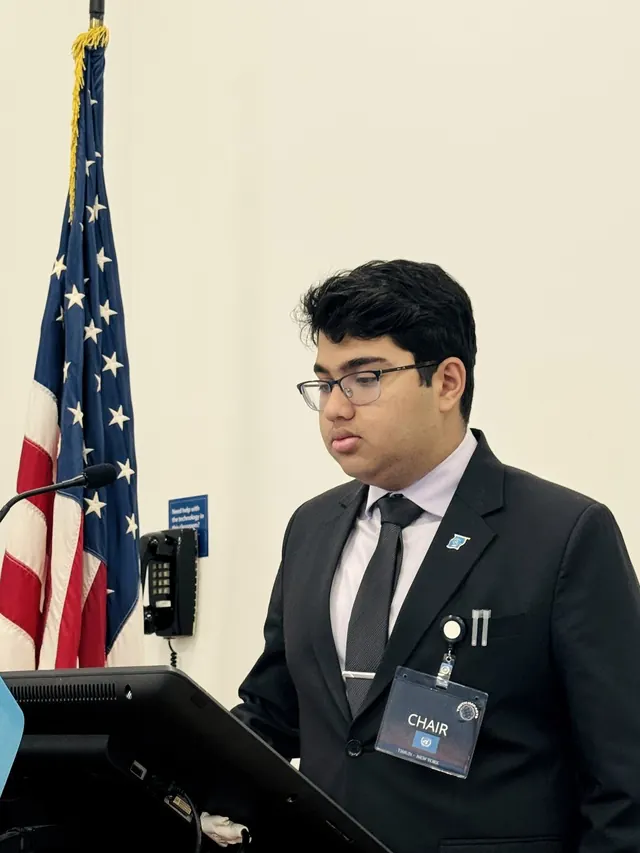
How secretariats build the delegation matrix, why experience and representation are balanced, why P5 countries are not a scoring advantage, and how to win with a small state.
Diplomacy or contest? A side-by-side comparison of Model UN and competitive debate, with a note on mock trial, who suits which, and how to do both.
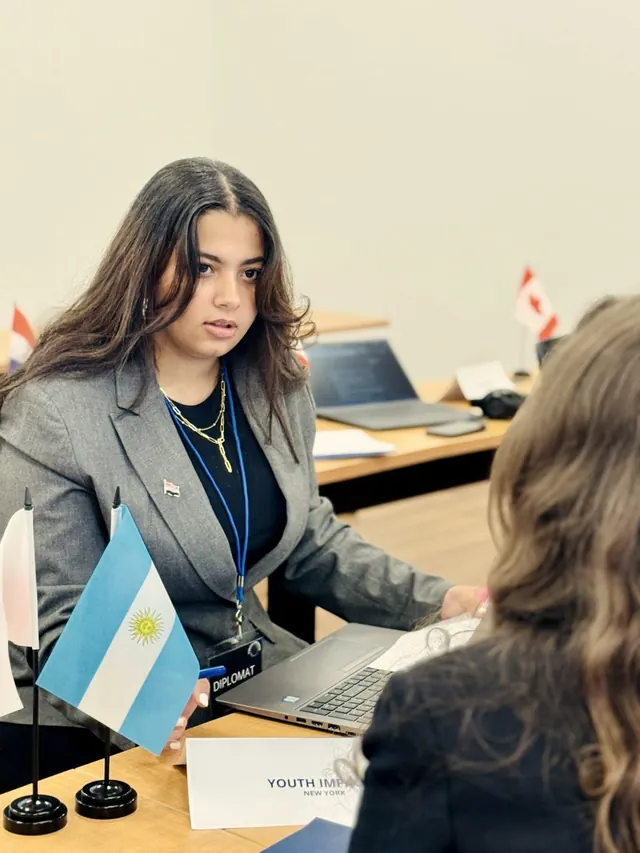
Sustained commitment, growth, initiative, evidence: how to show all four in an activity description, a CV line, a personal statement and a UCAS answer.

Depth over breadth, crisis formats, chairing and secretariat roles, travel teams, and why the skills carry into law, policy, consulting and founding.

Ten Model UN skills mapped to the workplace, with STAR-style interview examples and a note on why a committee of sixty produces better evidence than one of several hundred.
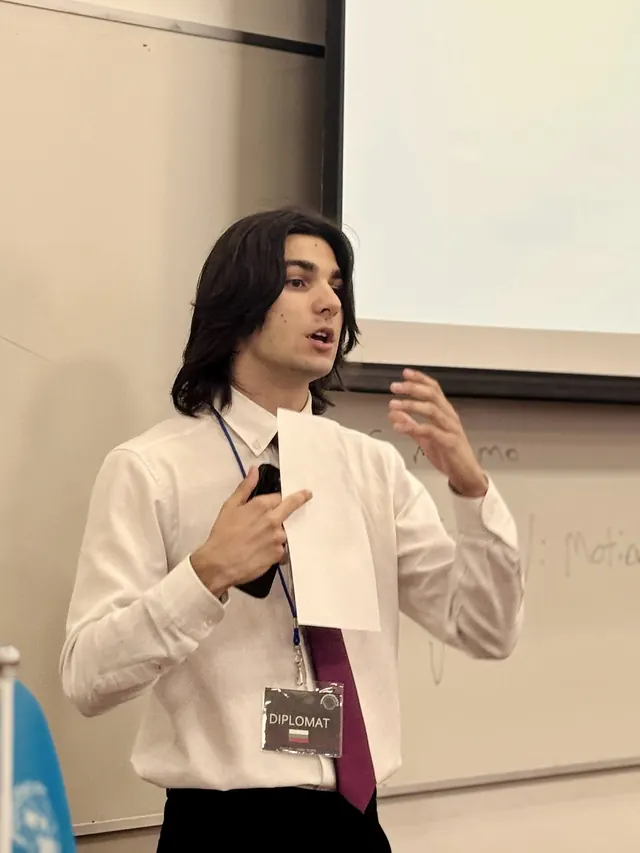
Understanding constraints, drafting for agreement, building coalitions before the vote, revising on evidence: the delegate’s method is the founder’s method. Plus what the Founder Lab is and is not.

What ChatGPT, Claude, Gemini and Perplexity do well for delegates, what they invent, an honesty framework, seven prompts you can copy and a verification checklist against primary UN sources.

What black tie means for everyone, whether to hire or buy, formal dinner etiquette, conversation with adults you have not met, and how a 60–90-second address works.

A parent’s guide to student travel to New York: documents, unaccompanied-minor flights, transfers, insurance, phones, money, what the organiser must provide and a pre-departure checklist.
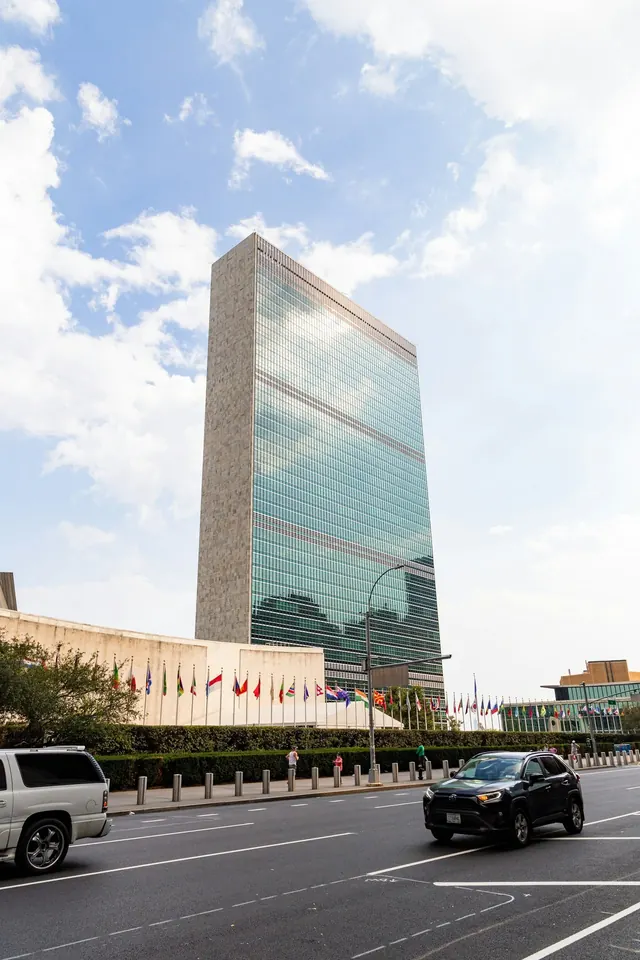
How the UN Visitors Centre tour works, what to book and bring, what to look at in the General Assembly Hall and Security Council Chamber, and how The Global 60 approaches its planned visit.
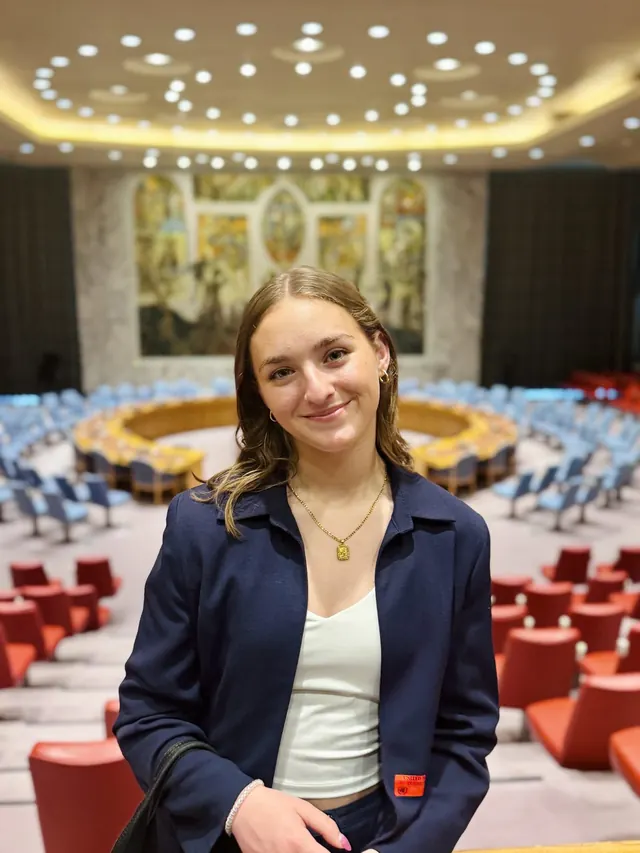
Most flagship Model UN conferences chase scale. We deliberately don't. The case for one General Assembly of sixty delegates, one topic, one dais of four and one vote on the second day.
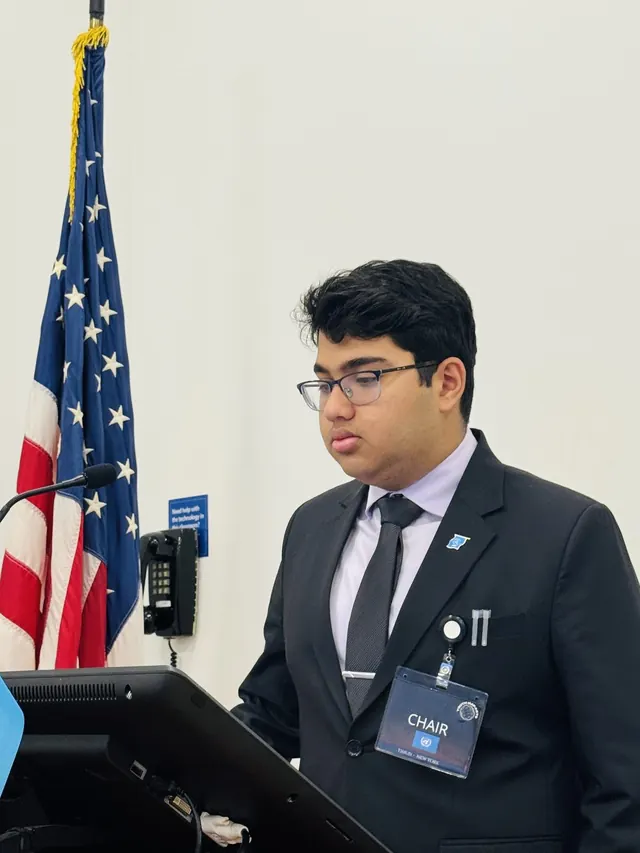
Thirteen long-form modules on position papers, draft resolutions, lobbying and procedure, with self-assessments.
Founding Class of 2027. Round one closes 15 December 2026.